
Start with a concrete game idea and the controls, style, and scoring you want.
PlayWorks creator stack
No-code AI game maker
No-code does not mean vague. The best plain-language prompts describe the player action, controls, scoring, pressure, and restart flow clearly enough for a playable browser draft.
Plain-language prompt creationNo-code playable previewTemplate ideas for common genres
Build loop
Move from idea to playable browser build without leaving the creator flow.
Describe the game you want and generate a playable draft.
Publish with leaderboard and reward settings when the build is ready.
Prompt starting point
Make a puzzle game where players rotate mirrors to guide a laser into crystals, score points for each crystal lit, lose when the move counter reaches zero, and restart from a results screen.
Choose what you need next
Use the page as a short path instead of reading every section in order.
Prompt examples by genre
Copy a complete starter prompt, then change the controls, theme, scoring rule, or win condition.
Puzzle
Plain-language board game
Make a simple puzzle game where the player clears glowing gems in 20 moves. Show the target, score, remaining moves, combo feedback, win state, loss state, result screen, and restart button.
Reference: Diamond Breaker
Lander
Plain-language physics prompt
Make a small lunar landing game. The player rotates with arrow keys, uses thrust with spacebar, has limited fuel, earns more points for soft landings, crashes on hard impact, and can restart.
Reference: Moonlander
Collect and dodge
Beginner arcade loop
Make a one-screen game where the player collects blue coins, dodges red hazards, gets 10 points per coin, loses on three hits, sees final score, and can restart immediately.
Reference: Armor Plated
Tower defense
No-code wave prompt
Make a tower defense game with one road, three tower buttons, ten waves, lives, coins from defeated enemies, upgrade buttons, survival score, result screen, and restart button.
Reference: Fortress Fall: Survival
Published Playworks examples
Play a live example here, then use the public game pages as references for prompt scope, readable HUDs, scoring, and restart loops.
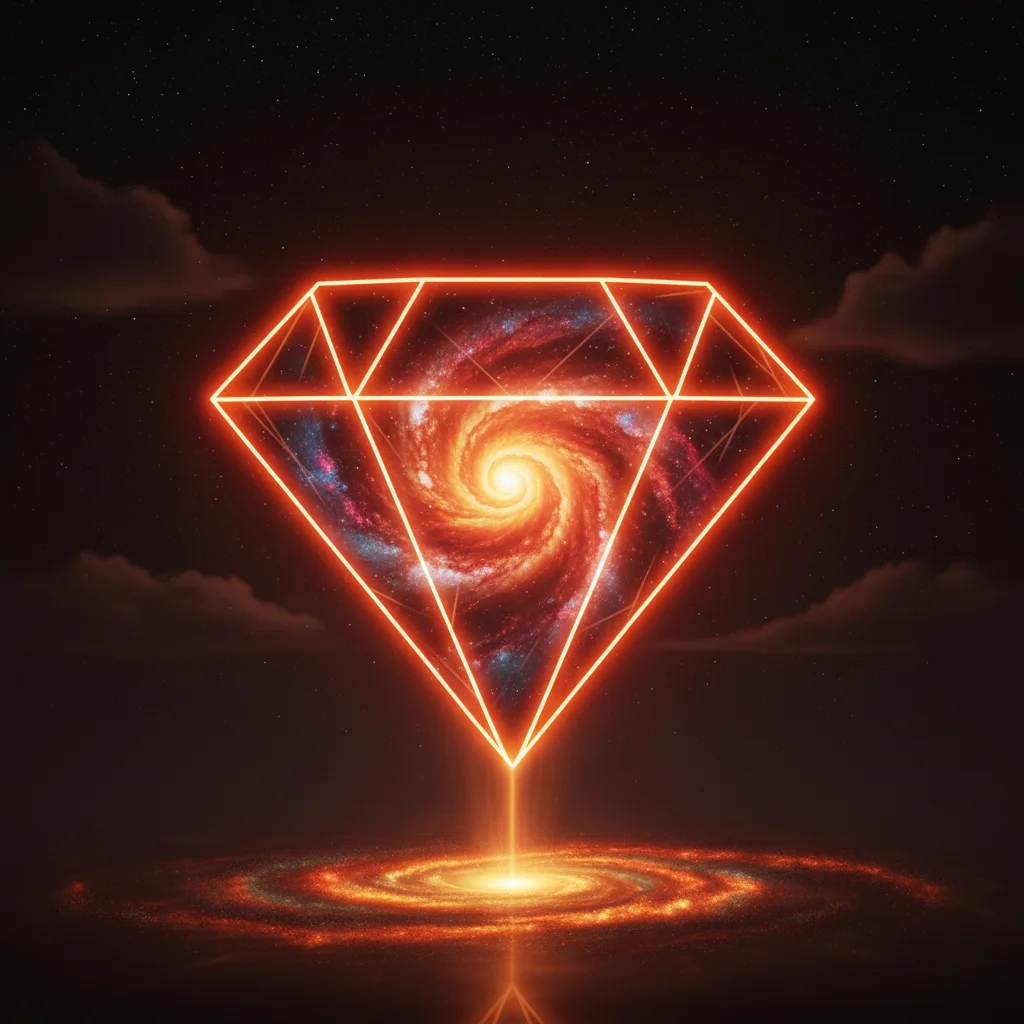
Puzzle-arcade reference for visible objectives, short sessions, score feedback, and repeatable attempts.
Prompt focus: objective clarity, move pressure, score feedback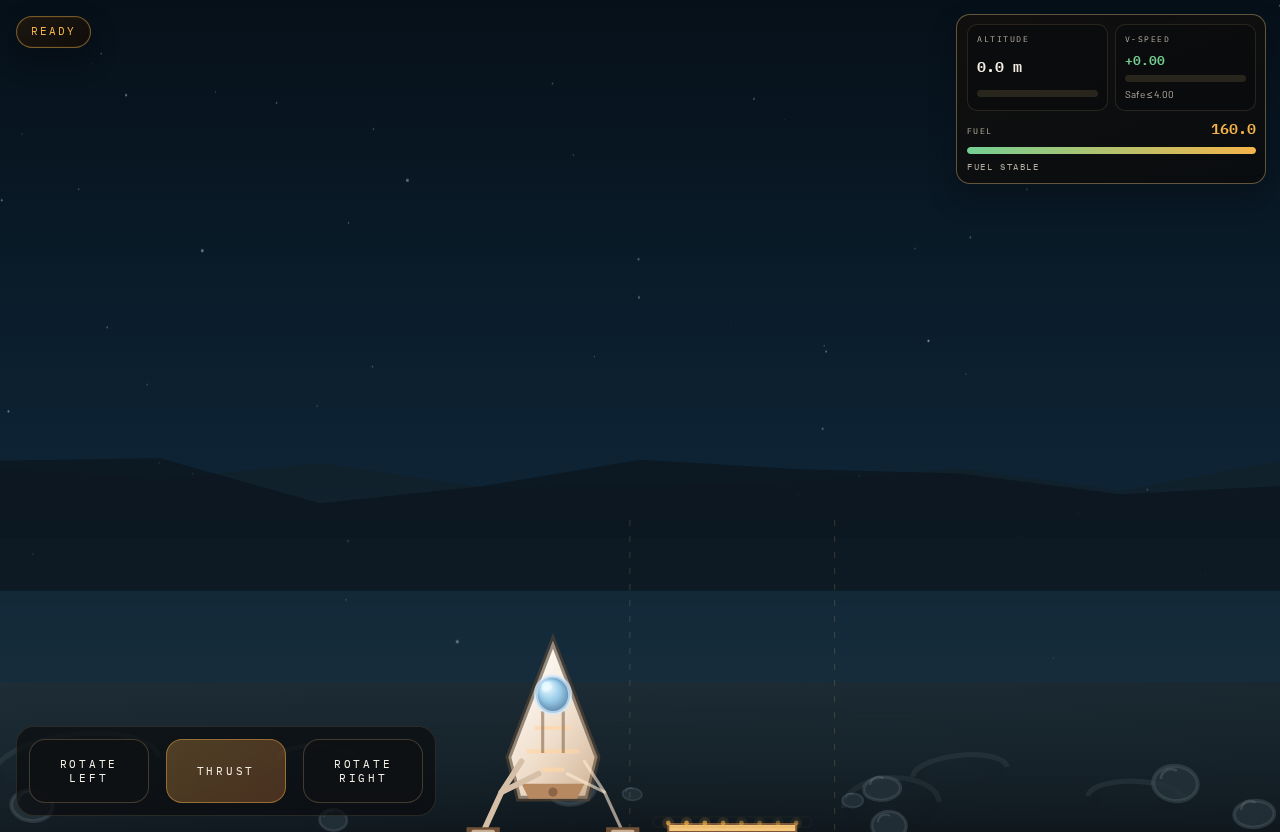
Precision arcade reference for thrust, fuel pressure, crash state, landing score, and replay pacing.
Prompt focus: thrust controls, fuel limit, landing score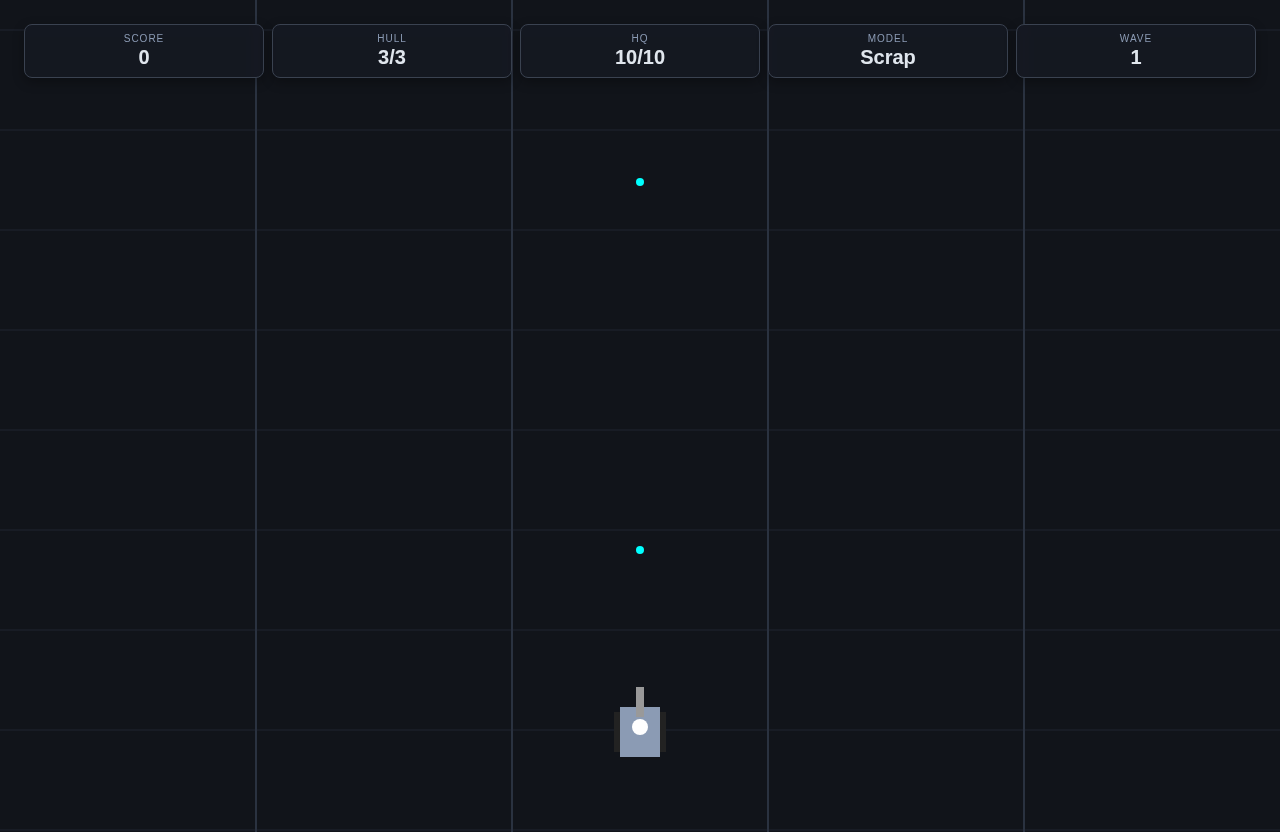
Action-game reference for movement clarity, public game-page copy, leaderboard proof, and visible game state.
Prompt focus: combat feedback, scoring, public page readiness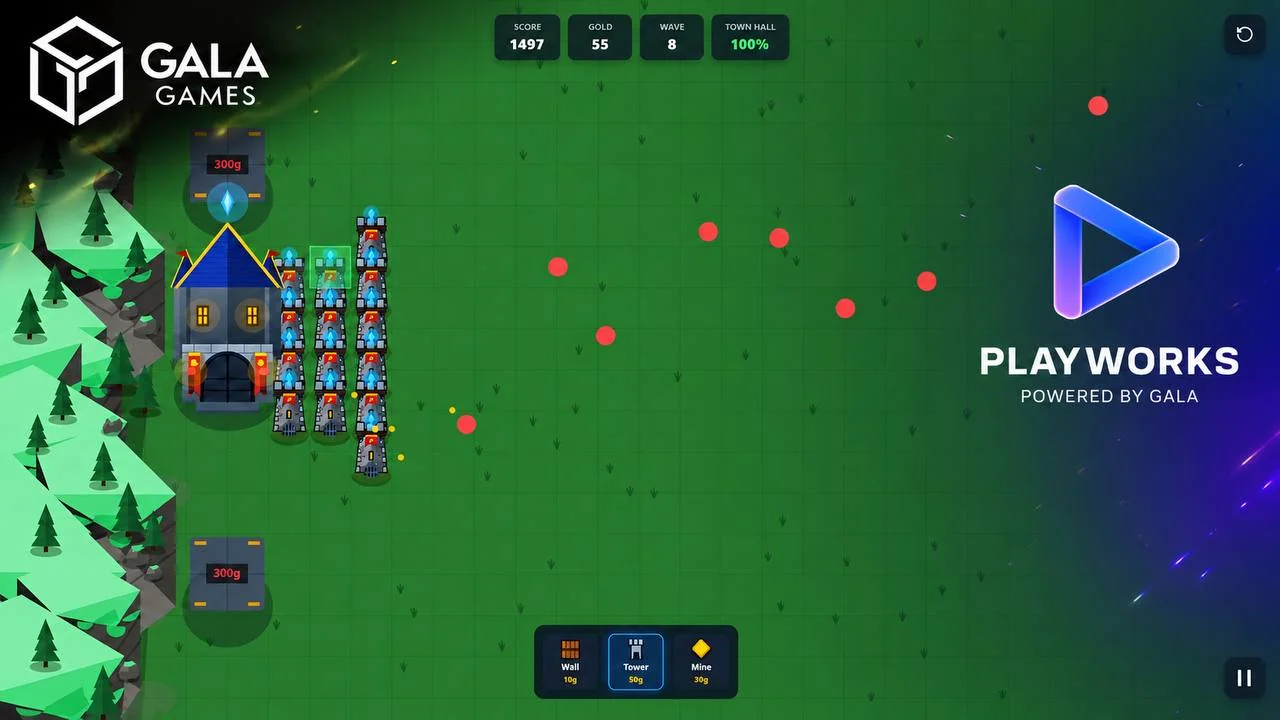
Defense reference for wave pacing, upgrade decisions, survival scoring, and clear pressure over time.
Prompt focus: waves, upgrades, survival timer, scoreBefore and after prompt refinements
The best prompts describe the player verb, scoring, fail state, feedback, and what should happen after a run ends.
Too vague to generate a playable loop
Before
Make a fun arcade game.
After
Make a one-screen asteroid dodger with arrow-key movement, three hazard speeds, fuel pickups, score combos, collision damage, result screen, restart button, and leaderboard score hook.
The improved prompt names the player verb, hazards, pickups, score events, damage rule, end state, and publishing-ready score behavior.
Theme without testable rules
Before
Make a neon cyber game where the player survives as long as possible.
After
Make a top-down neon survival game where the player moves with WASD, dodges drones, collects battery cells for 100 points, loses one health on collision, survives for 90 seconds, and can restart from a result screen.
The revised prompt turns the theme into measurable mechanics that can be tested within the first minute.
What no-code means in Playworks
Creators can start from plain language instead of a blank code project. The goal is a playable draft that can be tested and improved, not a promise that every design decision disappears.
- You describe the game, Playworks creates the first playable browser draft.
- You still test controls, scoring, pacing, and player instructions.
- You publish only after the public page and game loop match.
Plain-language prompts still need structure
The prompt can be written like a note to a teammate. It should still say what the player controls, what creates pressure, how the score changes, how the run ends, and what the restart screen shows.
- Player action: rotate mirrors, dodge obstacles, shoot enemies, land safely, collect coins.
- Pressure: move limit, timer, fuel, enemy waves, speed, health, or hazards.
- Feedback: score text, health bar, timer, result screen, restart button.
Use templates when you do not know where to start
Templates reduce the blank-page problem. A Snake, shooter, runner, platformer, tower defense, or puzzle template already has a known loop, common mistakes, and playable examples to compare against.
- Pick a template that matches the action you want players to repeat.
- Change theme and scoring after the basic loop is defined.
- Use the template tutorial when you want a more specific walkthrough.
What still needs creator judgment
AI can create the draft, but the creator decides whether the game is understandable, fair, and worth publishing. The most useful no-code workflow still includes playtesting and a short improvement pass.
- Check whether a new player understands the first screen.
- Watch whether score changes match what the player thinks they did.
- Improve one mechanic at a time instead of asking for a total rewrite.
Tutorial steps
- Choose a template or describe one simple loop in your own words.
- Add controls, score, pressure, fail state, and restart behavior to the prompt.
- Generate the first draft and play it before editing the prompt.
- Refine the most confusing part of the run.
- Publish only after metadata, instructions, leaderboard, and reward copy are clear.
Mechanics to include
- Use plain words for controls and player goals.
- Define one score rule and one fail condition.
- Ask for UI text that explains the objective.
- Start from templates when the game shape is unclear.
- Keep reward decisions until after playtesting.
Common mistakes to avoid
- Assuming no-code means no testing.
- Writing a theme but not a game loop.
- Skipping controls because they feel obvious.
- Changing art style before the game is readable.
- Publishing a page whose copy does not explain the game.
Common failure modes and fixes
When a generated draft feels off, adjust one part of the prompt and run a focused revision.
The draft looks fine but the player does not know what to do.
- Likely cause
- The prompt named a theme but did not name the objective, HUD copy, or first player action.
- Fix prompt
- Add a start screen that says the objective in one sentence, show controls beside the play button, and make the first collectible or target visible within two seconds.
Scoring feels random or hard to compare on a leaderboard.
- Likely cause
- The prompt did not define exactly when score changes or what score is submitted at game over.
- Fix prompt
- Use one visible score value. Add 10 points for each pickup, 50 points for each clean objective, subtract no hidden points, and submit the final score only after the result screen appears.
Players cannot replay quickly after losing.
- Likely cause
- The first prompt skipped the fail state and restart behavior.
- Fix prompt
- When the player fails, pause movement, show final score, explain the cause, and add a restart button that resets position, score, timer, enemies, and pickups.
Next actions
Related tutorials
Walk through prompt writing, first-draft testing, refinement, and publishing preparation.
Review browser-first controls, game loops, public pages, and player expectations.
Prepare title, description, preview, validation, and release checks before publishing.
Follow a puzzle-specific walkthrough with prompt details.
Related paths
Review the broader maker workflow.
Move from plain-language idea to publish-ready game.
Start with a focused puzzle template.
Browse no-code-friendly prompt starters.
Use a step-by-step guide before creating.
Play public games before making your own.